The Future of Ceramics: New Technologies Changing the Ceramic Industry
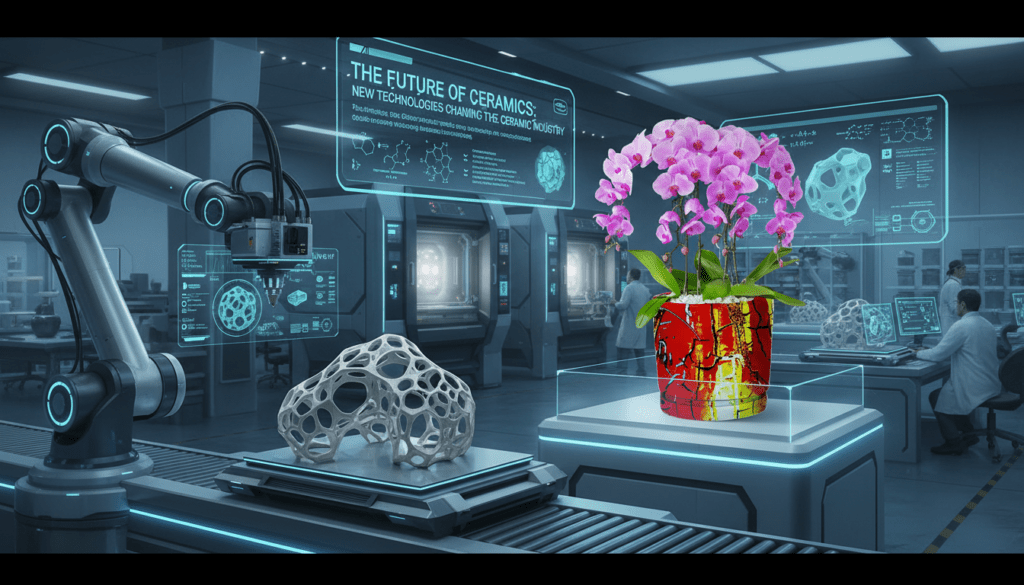
Ceramics have been part of human civilization for thousands of years. From ancient pottery to modern architectural materials, ceramics have always played a crucial role in both functional and decorative applications. However, the ceramic industry today is undergoing a remarkable transformation driven by new technologies, advanced materials, and innovative manufacturing methods.
These innovations are not only improving the performance of ceramic products but also expanding their applications across industries such as construction, interior design, aerospace, electronics, and healthcare.
At Konta Ceramics, innovation and craftsmanship go hand in hand. By exploring modern ceramic technologies and design techniques, the company continues to create decorative and functional ceramic products that meet the evolving needs of modern interiors and global markets.
In this article, we explore the future of ceramics, highlighting the emerging technologies that are reshaping the industry and redefining how ceramic products are designed, manufactured, and used.
The Evolution of the Ceramic Industry
The ceramic industry has evolved dramatically over the past few decades. Traditional ceramic production relied heavily on manual techniques and simple kiln processes. While these methods produced beautiful handmade items, they were often limited in terms of precision, scalability, and performance.
Today, technological advancements have introduced a new era of high-performance ceramics, automated production, and innovative surface treatments.
Modern ceramic manufacturing now incorporates:
Advanced glazing technologies
Digital design and modeling
Automated production systems
Sustainable manufacturing processes
High-performance ceramic materials
These innovations allow companies to produce ceramics that are stronger, more durable, more versatile, and more visually stunning than ever before.
Advanced Ceramic Materials
One of the most important technological breakthroughs in the industry is the development of advanced ceramic materials.
Unlike traditional ceramics used primarily for decorative purposes, advanced ceramics are engineered for high performance and specialized applications.
These materials offer exceptional properties such as:
High heat resistance
Superior strength
Chemical resistance
Lightweight durability
Electrical insulation
Advanced ceramics are now widely used in industries including:
Aerospace engineering
Medical implants
Electronics manufacturing
Automotive components
While decorative ceramics remain a major market, the development of these high-tech materials has expanded the possibilities of ceramic innovation.
3D Printing in Ceramic Manufacturing
One of the most exciting developments in the ceramic industry is 3D printing technology.
Also known as additive manufacturing, ceramic 3D printing allows designers to create complex shapes and structures that would be impossible using traditional methods.
Benefits of ceramic 3D printing include:
Rapid prototyping of new designs
Custom-made ceramic products
Reduced material waste
Greater design flexibility
For interior designers and architects, this technology opens new opportunities to create unique sculptural ceramic décor and architectural features.
As 3D printing technology continues to evolve, it will likely become a key tool in the future of ceramic manufacturing.
Smart Ceramic Surfaces
Another exciting trend shaping the future of ceramics is the development of smart ceramic surfaces.
These innovative surfaces are designed to provide additional functionality beyond aesthetics.
Examples include:
Self-cleaning ceramic surfaces
Antibacterial ceramic coatings
Scratch-resistant finishes
Heat-resistant decorative ceramics
Such technologies are particularly valuable in modern kitchens, bathrooms, hospitals, and commercial spaces where hygiene and durability are essential.
These innovations demonstrate how ceramics are becoming both decorative and functional materials for modern living environments.
Digital Design and Automation
Digital technology is revolutionizing how ceramic products are designed and produced.
Advanced software tools allow designers to create highly detailed digital models before production begins.
This process enables:
Precise product design
Faster development cycles
Reduced production errors
Greater design creativity
Automation has also improved efficiency in ceramic manufacturing. Automated systems can now control processes such as:
Clay preparation
Molding and shaping
Glazing application
Kiln firing
These systems ensure consistent product quality while reducing production time and waste.
Companies embracing digital design and automation are leading the next generation of ceramic manufacturing.
Innovative Glazing Technologies
Glazing technology has always been a defining feature of ceramic products. Today, new glazing techniques are pushing the boundaries of ceramic aesthetics.
Modern glaze innovations include:
Crystal Glaze
Crystal glaze creates unique crystalline patterns that develop during the firing process, producing one-of-a-kind artistic effects.
Marble Effect Glaze
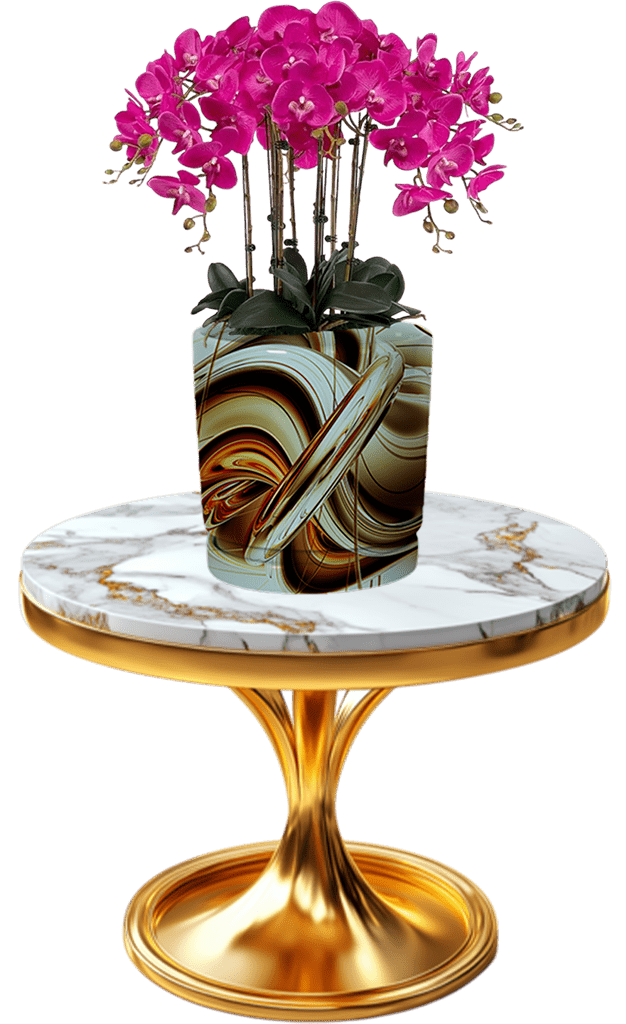
This technique mimics the appearance of natural marble, creating elegant ceramic surfaces that look luxurious and sophisticated.
Metallic Glaze
Metallic finishes add reflective surfaces and modern textures to ceramic décor.
Textured and Reactive Glaze
Reactive glazes produce unpredictable color patterns, giving ceramic pieces a handcrafted artistic appearance.
These advanced glazing technologies allow ceramic manufacturers to create decorative products that combine artistic beauty with modern design trends.
Sustainable Ceramic Manufacturing
Sustainability is becoming a major priority in the global ceramic industry.
Manufacturers are adopting environmentally friendly practices to reduce their impact on the environment.
Key sustainable initiatives include:
Energy-efficient kilns
Recycling ceramic waste materials
Using eco-friendly raw materials
Reducing water consumption in production
Sustainable manufacturing not only protects the environment but also aligns with consumer demand for eco-conscious home décor products.
Ceramic materials themselves are naturally durable and long-lasting, making them a more sustainable alternative compared to disposable decorative items.
The Growing Demand for Artistic and Decorative Ceramics
Despite the rise of industrial ceramics, decorative ceramics remain a thriving market worldwide.
Interior designers, architects, and homeowners increasingly seek unique handcrafted ceramic pieces that add character and sophistication to interior spaces.
Popular decorative ceramic products include:
Sculptural ceramic vases
Artistic tabletop décor
Designer ceramic lighting
Architectural ceramic tiles
These pieces combine traditional craftsmanship with modern design trends, creating décor that feels both timeless and contemporary.
The Role of Innovation at Konta Ceramics
Innovation is at the heart of everything we do at Konta Ceramics.
Our mission is to combine traditional ceramic craftsmanship with modern technologies to create decorative ceramic products that stand out in both design and quality.
By exploring advanced glazing techniques, innovative design concepts, and sustainable production practices, Konta Ceramics continues to push the boundaries of what ceramic décor can achieve.
Our products are designed to enhance:
Residential interiors
Luxury hospitality spaces
Commercial environments
Architectural design projects
Every ceramic piece we create reflects our commitment to quality, innovation, and artistic excellence.
How Technology is Shaping the Future of Interior Design
As ceramic technology evolves, it is also influencing global interior design trends.
Designers are increasingly incorporating ceramics into modern spaces because of their:
Unique textures
Versatile finishes
Artistic forms
Durability
Ceramic décor is particularly popular in modern interior styles such as:
Minimalist design
Scandinavian interiors
Contemporary luxury spaces
Natural and earthy design themes
As new technologies expand the possibilities of ceramic design, we can expect even more creative and innovative applications in the future.
Future Trends in the Ceramic Industry
Looking ahead, several key trends are likely to shape the future of ceramics.
Smart and Functional Ceramics
Ceramics that combine design with practical features such as antibacterial surfaces or self-cleaning properties.
Custom and Personalized Ceramics
Advances in digital manufacturing will allow greater customization of ceramic décor.
Sustainable Production
Eco-friendly manufacturing practices will continue to gain importance across the industry.
Integration with Architecture
Ceramics will increasingly be used in architectural design, including façade systems and interior surfaces.
These trends highlight the enormous potential for innovation within the ceramic industry.
Why Ceramics Will Continue to Thrive
Despite competition from alternative materials, ceramics remain one of the most versatile and enduring materials in design and manufacturing.
Their advantages include:
Durability and longevity
Artistic design potential
Eco-friendly properties
Resistance to heat and chemicals
These qualities ensure that ceramics will continue to play a vital role in both decorative and industrial applications for decades to come.
Discover the Innovation of Konta Ceramics
At Konta Ceramics, we are proud to be part of the evolving ceramic industry.
Our commitment to innovation, quality craftsmanship, and modern design allows us to create ceramic products that reflect the future of interior décor.
Whether you are an interior designer, architect, or homeowner looking for unique decorative pieces, our ceramic collections offer a perfect blend of art, technology, and elegance.
Explore our latest designs at KontaCeramics.com and discover how modern ceramic innovation can transform your living spaces.
Final Thoughts
The ceramic industry is entering an exciting new era driven by technological innovation, sustainable practices, and creative design exploration.
From advanced materials and 3D printing to smart ceramic surfaces and digital manufacturing, new technologies are reshaping how ceramic products are created and used.
As companies like Konta Ceramics continue to embrace these innovations, the future of ceramics promises to be more dynamic, artistic, and technologically advanced than ever before.
For designers, manufacturers, and consumers alike, ceramics will remain a powerful material that bridges tradition and innovation—proving that even an ancient craft can evolve into a technology-driven industry of the future.